1974 – 1984
Allison
Om
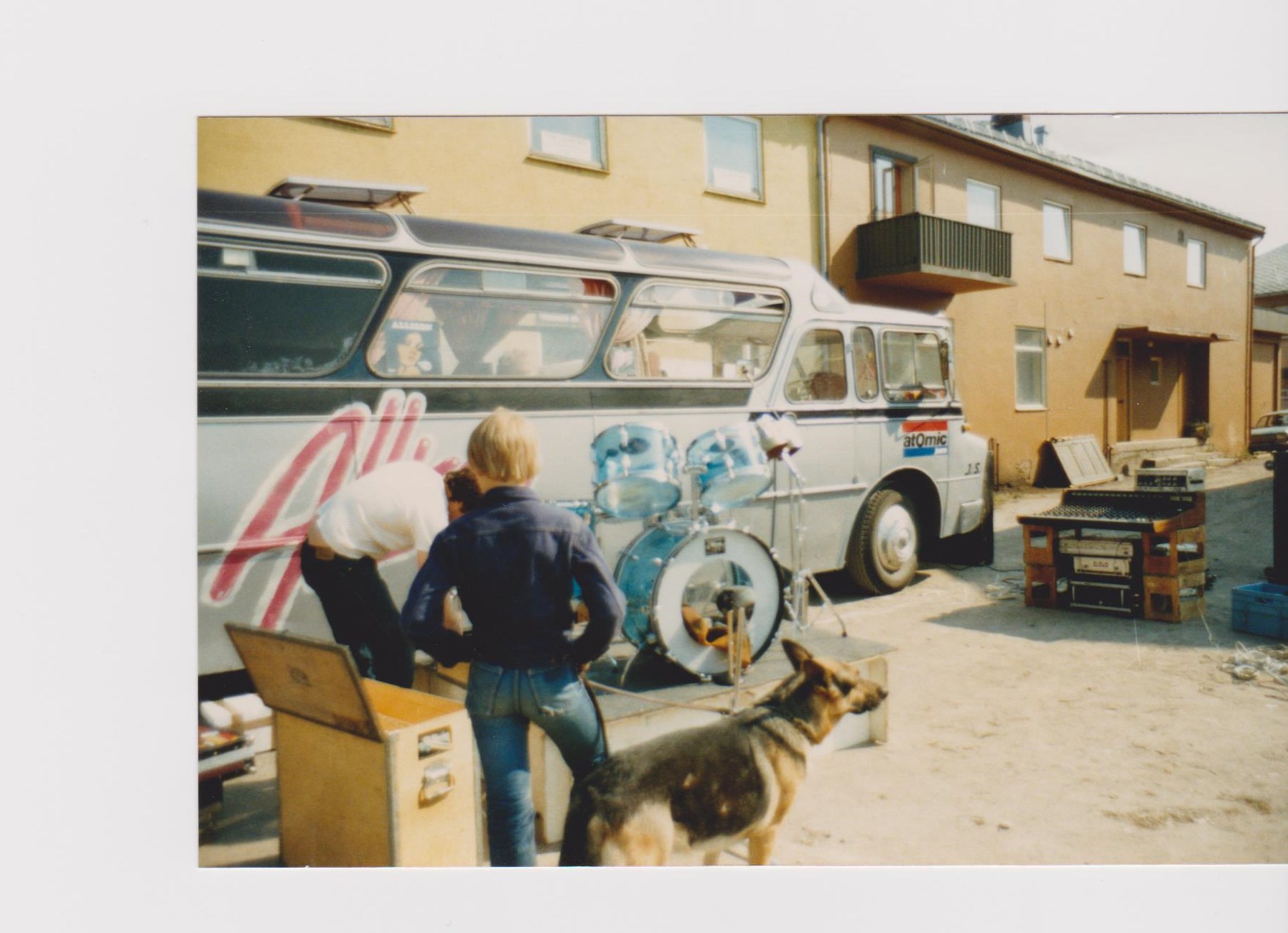
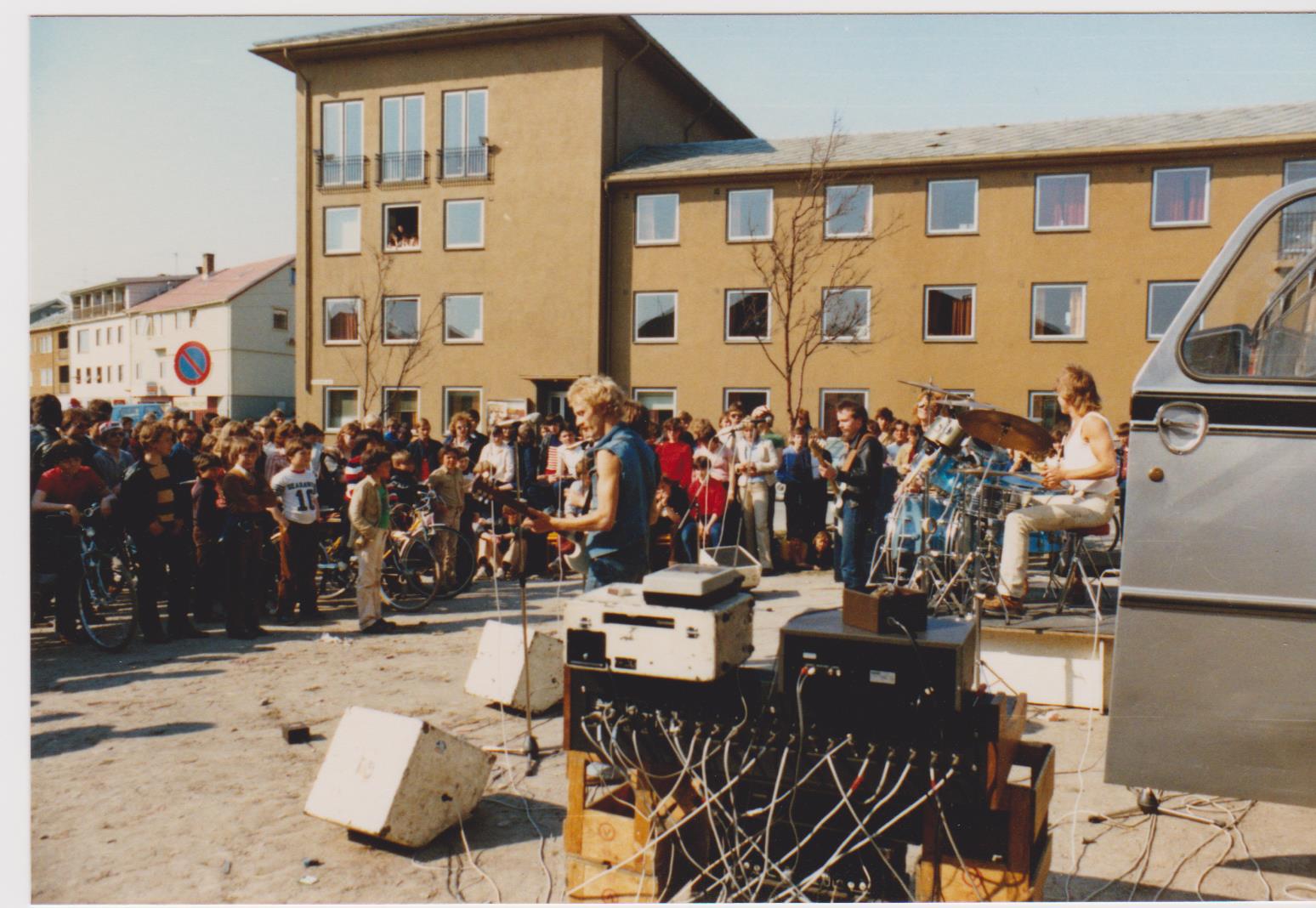
Allison was a Norwegian rock band formed in 1974 on Askøy, an island near Bergen. The band was founded by guitarist/vocalist Johnny Veland, initially with Jann Per Karlsen (bass, vocals), Bjørn Andreassen ( vocals), Børge Nikolaisen (drums) and Arild Nordnes (guitar) as the first lineup. In 1975, Johnny’s older brother Rolf Erik Veland returned from Denmark – where he had been singing with another band – and joined Allison as lead vocalist . With Rolf’s experience and strong frontman presence, the group’s popularity grew quickly on the local scene
Tidslinje for medlemmer
Vokal
Gitar
Bass
Trommer
Hold pekeren over for detaljer. Klikk på navnet for å gå til personprofilen.
Bildegalleri
1 / 11Allison — Bilde 1
Åpne originalLyd og bilde
Rockhistorie
Lydopptak
Negative sider
Allison
Live Signal
Laster lyd...
0:000:00
Tidsbestemt tekst er tilgjengelig for dette lydsporet.
Lydopptak
Negative sider
Allison
Live Signal
Laster lyd...
0:000:00
Tidsbestemt tekst er tilgjengelig for dette lydsporet.
Lydopptak
glem dine sorger 16.5 (1).mp3
Allison
Live Signal
Laster lyd...
0:000:00
Tidsbestemt tekst er tilgjengelig for dette lydsporet.
Allison: Rock Band from Askøy (1970s–1980s)
Formation and Early Years (1974–1976)
Allison was a Norwegian rock band formed in 1974 on Askøy, an island near Bergen. The band was founded by guitarist/vocalist Johnny Veland, initially with Jann Per Karlsen (bass, vocals), Arild Nordnes, (guitar) Bjørn Andreassen ( vocals), and Børge Nikolaisen (drums) as the first lineup. In 1975, Johnny’s older brother Rolf Erik Veland returned from Denmark – where he had been singing with another band – and joined Allison as lead vocalist. With Rolf’s experience and strong frontman presence, the group’s popularity grew quickly on the local scene. They also did several tours in Denmark in 1975/76, and gained lots of attention and popularity amongst danish fans.
Band Members and Line-up Changes
Allison’s core members during its heyday were the Veland brothers alongside Andreassen, Karlsen, and their drummer. However, the lineup saw a few changes over the years:
- Johnny Veland – Guitarist, vocalist, and founding member (active 1974–1983).
- Rolf Erik Veland – Lead vocalist (joined 1975, active through the band’s peak).
- Jann Per Karlsen – Bassist/vocalist (original member; left in 1983).
- Bjørn Andreassen – Guitarist/vocalist (original member; took a brief hiatus in 1978 and returned in 1979).
- Magnar Torstad – Drummer (replaced Børge Nikolaisen late 1975, left 1977).
- Rolf Wingsternes – Drummer (joined early 1977 to replace Torstad; active until 1982).
- Geir Almestad – Guitarist (substituted for Andreassen during 1978–79; played on the 1979 album OK! OK! before Andreassen’s return).
- Per Larsen – Drummer (joined 1982 to replace Wingsternes).
- Dag Vidar Høidal – Bassist (joined 1983 to replace Karlsen).
Despite these changes, Johnny Veland and Rolf E. Veland remained the driving forces of the band until its end. The departures of drummer Wingsternes in 1982 and bassist Karlsen in 1983 foreshadowed the band’s breakup shortly thereafter.
Musical Style and Influences
Allison’s music was a blend of catchy 1970s rock and the emerging new wave energy of the era. They performed songs in both Norwegian and English, often featuring multi-part vocal harmonies inspired by British groups like The Hollies. In terms of image, the band adopted a classic rock look with matching black leather outfits to complement their sound. By the late 1970s, Allison was notably influenced by British punk and new wave trends , which infused their rock style with a rawer, more modern edge. This crossover appeal can be heard in their up-tempo tracks like “Punks Gotta Be United,” reflecting punk’s spirit, alongside more melodic rock songs. Critics and fans have described Allison as a band that delivered “contagious” and hook-filled rock, combining upbeat rhythms with tight vocal arrangements. These qualities helped them stand out in the Norwegian rock scene of the 70s.
Discography
Despite a relatively short recording career, Allison released several records that charted in Norway and even gained international attention. Their discography includes:
- Allison (1977) – Debut LP recorded at Arne Bendiksen Studio in Oslo. This album, released on the Arne Bendiksen label (Triola), featured the band’s breakout hit “Boogie Woogie.” The track “Boogie Woogie” became a radio favorite and reached #4 on the Norwegian chart Norsktoppen.
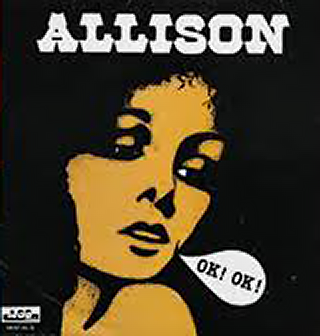
- OK! OK! (1979) – Second LP, recorded in Copenhagen, Denmark. By this album, Allison had started their own label (Allison Sound Company) in 1978 , making them one of the first Norwegian bands to run an independent record label. OK! OK! continued the band’s mix of Norwegian- and English-language rock and included new guitarist Geir Almestad (filling in for Andreassen during his hiatus). Notable songs from this record include “Tonight is the Night” and “Discotek Revolution,” showing their blend of classic rock and new wave flavors.
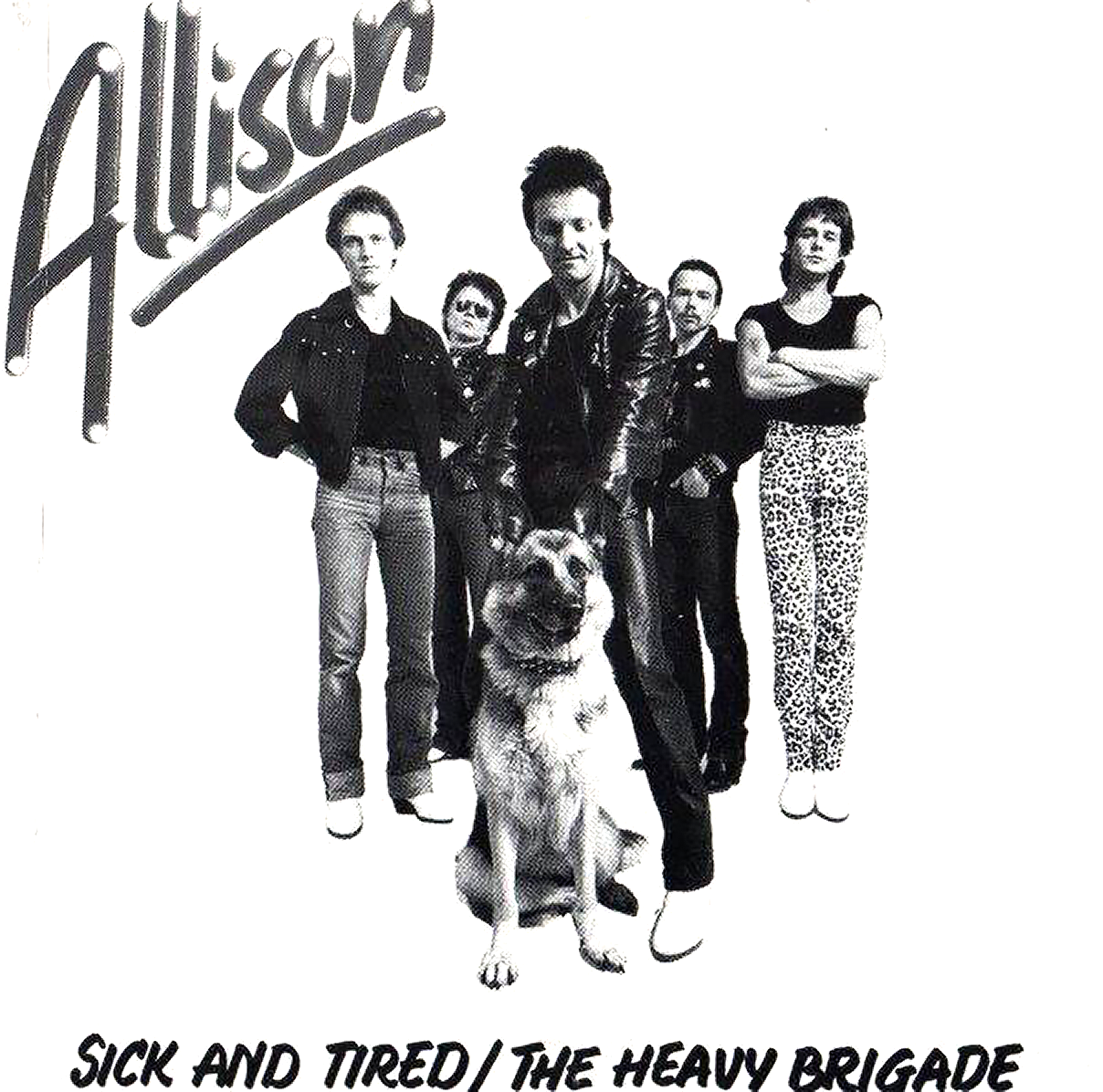
- Notable Singles: In addition to albums, Allison released a string of singles. Their first 7-inch single “Boogie Woogie” / “Til Gjestebod” came out in 1977 (on Triola) and established them nationally. In 1980, after winning a national contest,(NM I Rock 1980), they recorded new material in England: “Sick And Tired” / “The Heavy Brigade” was produced in London by Steve Broughton of the Edgar Broughton Band. Another 1980 single, “Punks Gotta Be United” / “Yo Yo,” captured their punk-influenced anthem – it was even released as a live 7″ record on their own ASC label. In 1982, Allison put out “Glem Dine Sorger” / “Negative Sider,” a Norwegian-language single on Allison’s label (ASC Records). This 1982 release would be their final recording, as plans for a third studio album never materialized. (According to the band, they never began a third LP because they couldn’t afford to take time off from live gigs to focus on studio work.)
Lydopptak
Lydspor
Allison
Live Signal
Laster lyd...
0:000:00
Ingen tidsbestemte tekster tilgjengelig for dette lydsporet ennå.
Notable Performances and Achievements
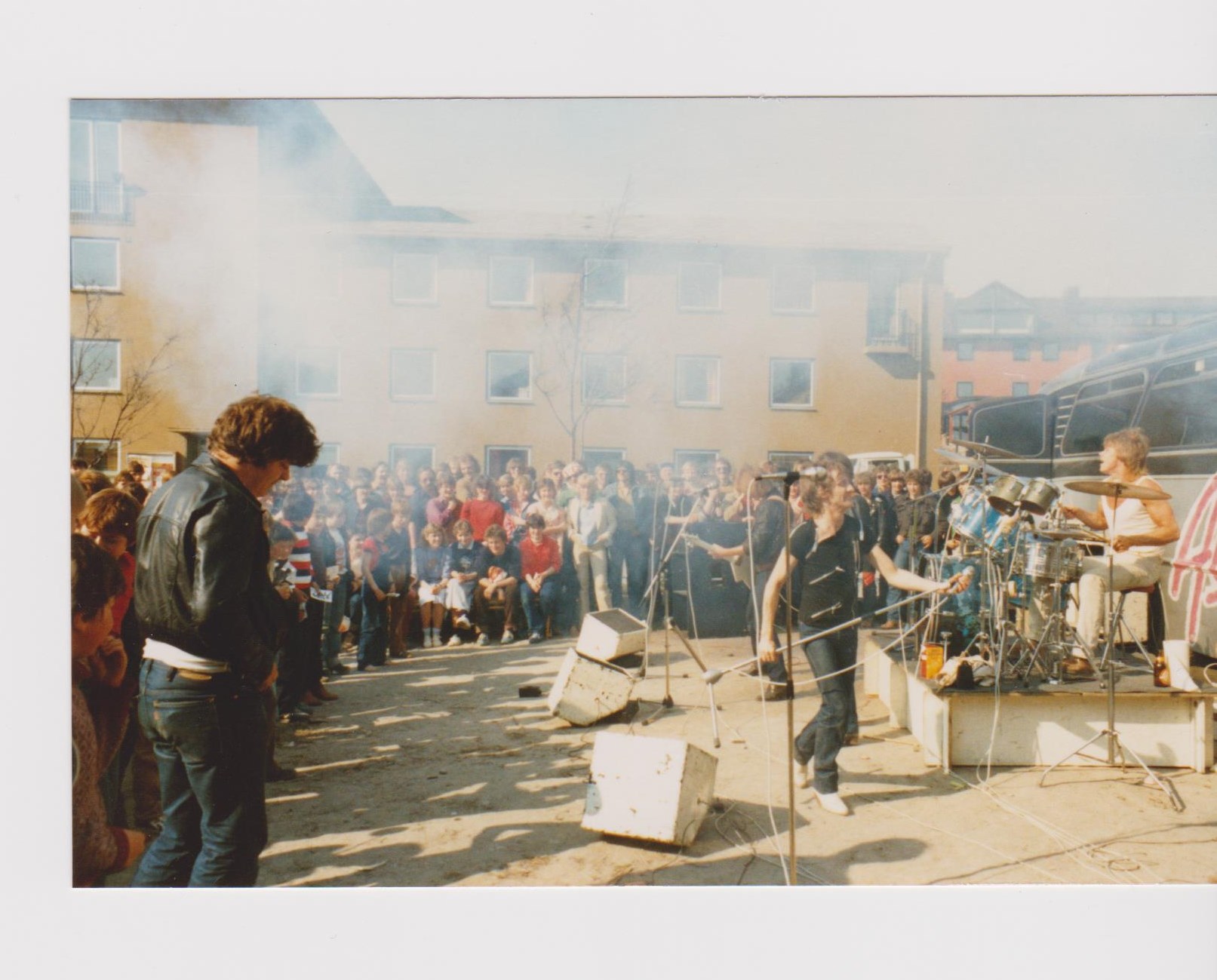
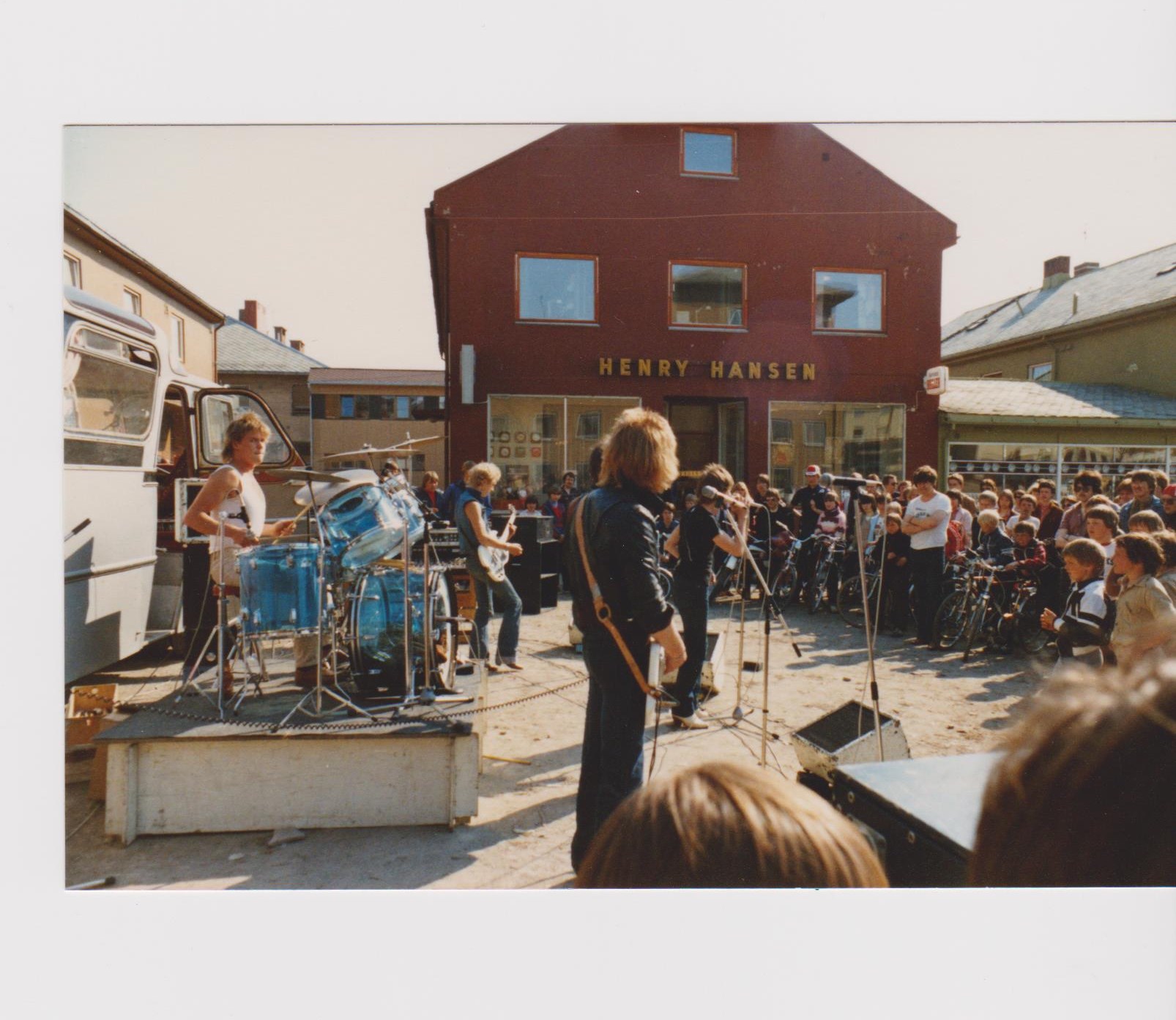
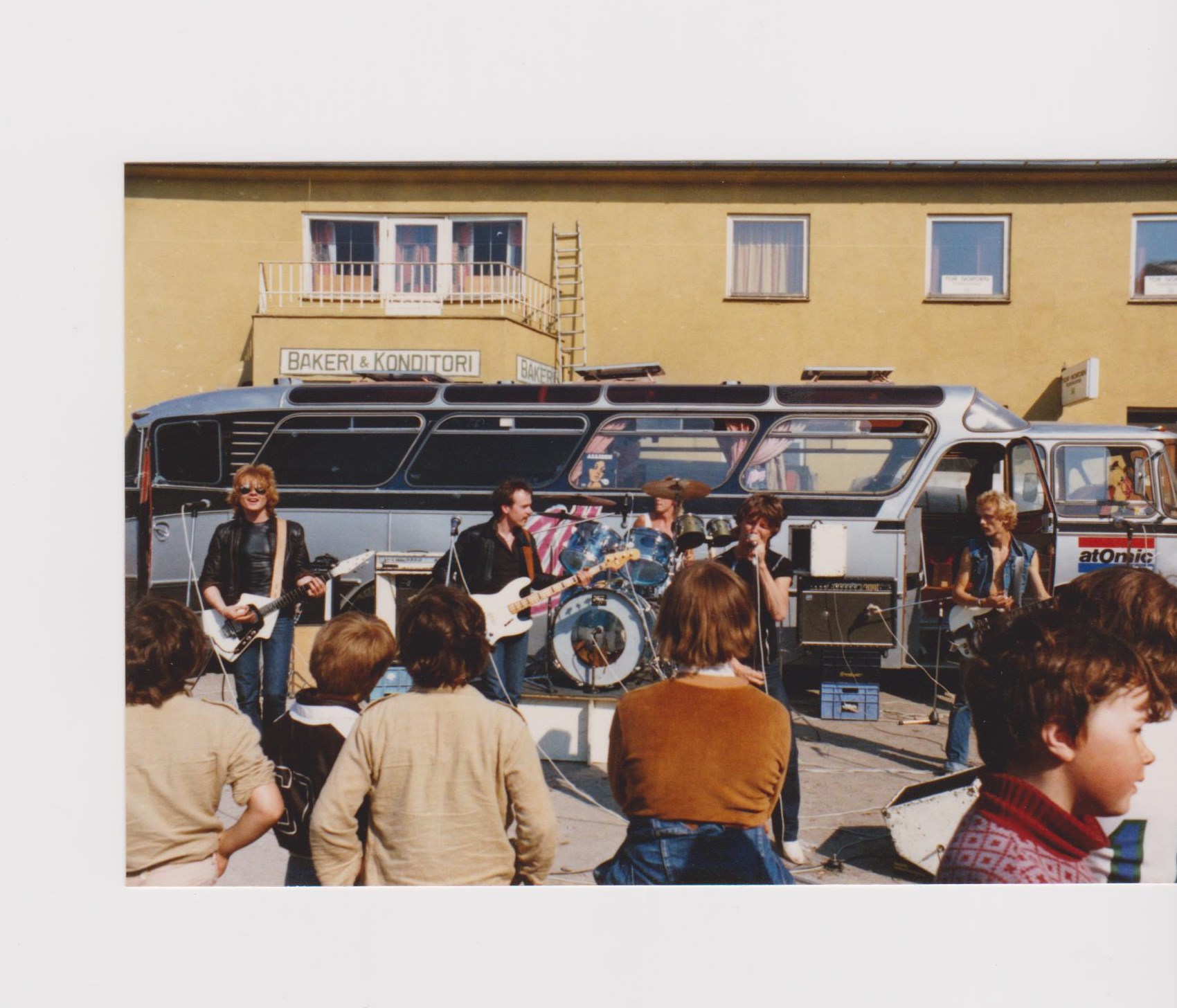
During their active years, Allison built a reputation as one of Norway’s most exciting live rock acts. Some highlights of their career include:
- Touring with Jahn Teigen (1977): Early in their rise, Allison caught the attention of Norwegian rock star Jahn Teigen. In spring 1977, Teigen hired Allison as his backing band for the nationwide “Teigens Tivoli” tour. Over the course of about three months, Allison performed over 40 concerts with Teigen, gaining invaluable exposure and honing their stagecraft. (During rehearsals for this tour, drummer Rolf Wingsternes joined the band, replacing Torstad just after the debut album was recorded.) The Teigen tour significantly raised Allison’s profile in the Norwegian music scene.
- NM i Rock – National Champions (1980): Allison achieved nationwide fame by winning “NM i rock” (Norway’s national rock championship) in 1980. Their victory was somewhat controversial: the band surprised many by beating the popular Trondheim glam-rock band The Kids in the final. In a later interview, frontman Rolf E. Veland revealed that although Allison won the contest, organizers had seemingly prearranged for The Kids to get the rewards – The Kids walked away with the promised record contract and 10,000 NOK prize money, while Allison received nothing. Allison even had to pursue a court case to claim their prize; they won the lawsuit, but the organizer had transferred away his assets, so the band never saw the money. This episode became an infamous “rock scandal,” with Allison’s true win only fully acknowledged years later. Despite the setbacks, winning NM i rock cemented Allison’s status as one of Norway’s top rock bands around 1980.
- International Recording in London: Following their NM victory, Allison took a bold step abroad. They traveled to London and became one of the first Norwegian rock bands ever to record music in the UK. With producer Steve Broughton, (drummer of Edgar Broughton Band) they recorded three songs at a London studio. The single “Sick and Tired” resulting from those sessions found international success – it reached #4 on Europatoppen, a European radio chart, competing alongside established acts like Status Quo and T. Rex. Another London track, the punk-flavored “Punks Gotta Be United,” also performed well, peaking at #5 on Europatoppen. These achievements meant Allison briefly appeared on playlists beyond Norway, showing that a Norwegian band singing in English could make waves in Europe. At home, the band also scored multiple hits on Norsktoppen (the Norwegian charts) throughout the late 70s and early 80s.
- Rock mot Narkotika (1980): Allison was involved in social causes as well; notably, they started the “Rock mot narkotika” (“Rock Against Drugs”) campaign in 1980, using their platform to promote an anti-drug message among youth. This campaign saw rock bands touring to raise awareness, and Allison’s participation reflected their influence and commitment at the height of their popularity.
Breakup and Legacy
By the early 1980s, Allison’s intense schedule and lineup instability began to take a toll. They continued performing for a couple of years after 1980, but maintaining momentum was difficult as key members started to exit. Drummer Rolf Wingsternes left in 1982 ( replaced by Per Larsen) and bassist Jann P. Karlsen in 1983, (replaced by Dag Vidar Høydal). Plans for a third album were put on hold due to practical reasons – the band simply couldn’t afford to stop gigging long enough to write and record a full LP without income. After nearly a decade together, Allison ultimately disbanded in 1984. Lead guitarist Bjørn Andreassen’s departure marked the final straw; when he “said farewell,” the group effectively came to an end.
Despite their relatively short run, Allison left a lasting legacy in Norwegian rock. Hailing from a small island community, they became local heroes and one of the country’s best-known rock bands of the late 70s. The band cultivated a devoted fan club in their heyday and topped music charts not only in Norway but even had impact elsewhere in Europe. Their energetic live shows are still fondly remembered – fellow musicians from the Bergen scene recall how “we walked into the concert hall and got Allison right in the teeth,” attesting that the band was as good as their reputation promised.
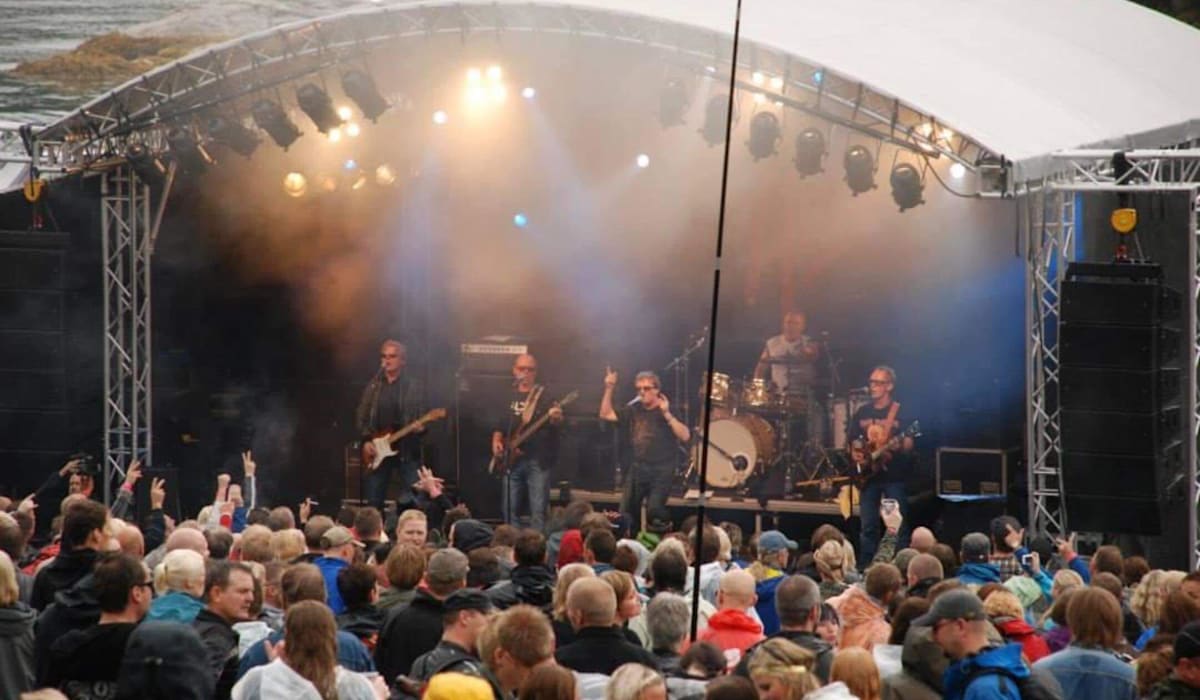
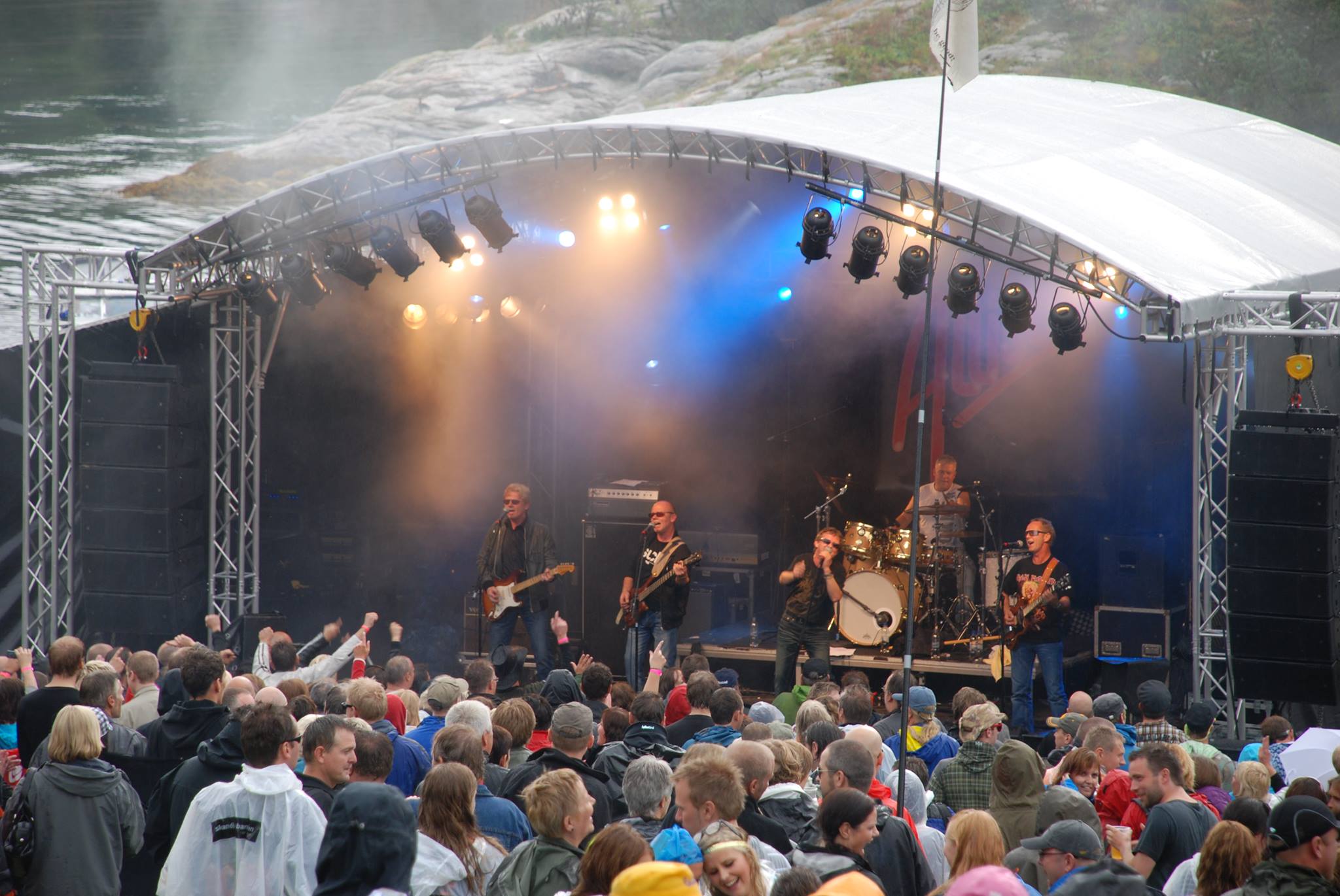
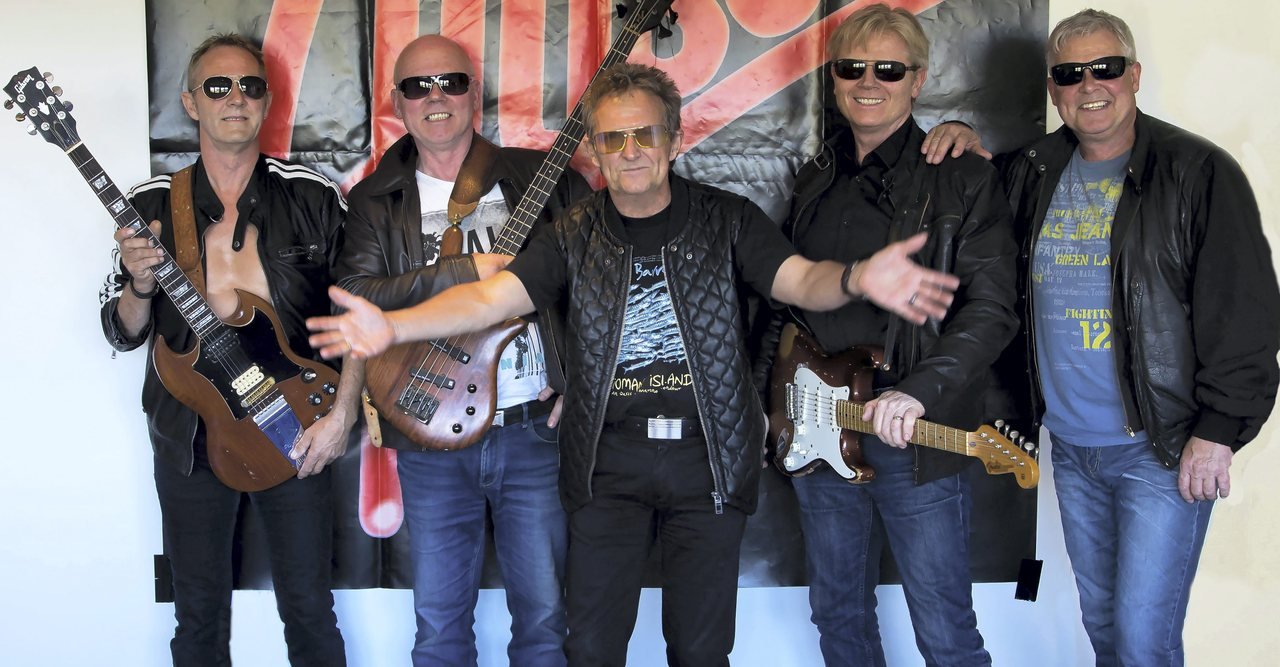
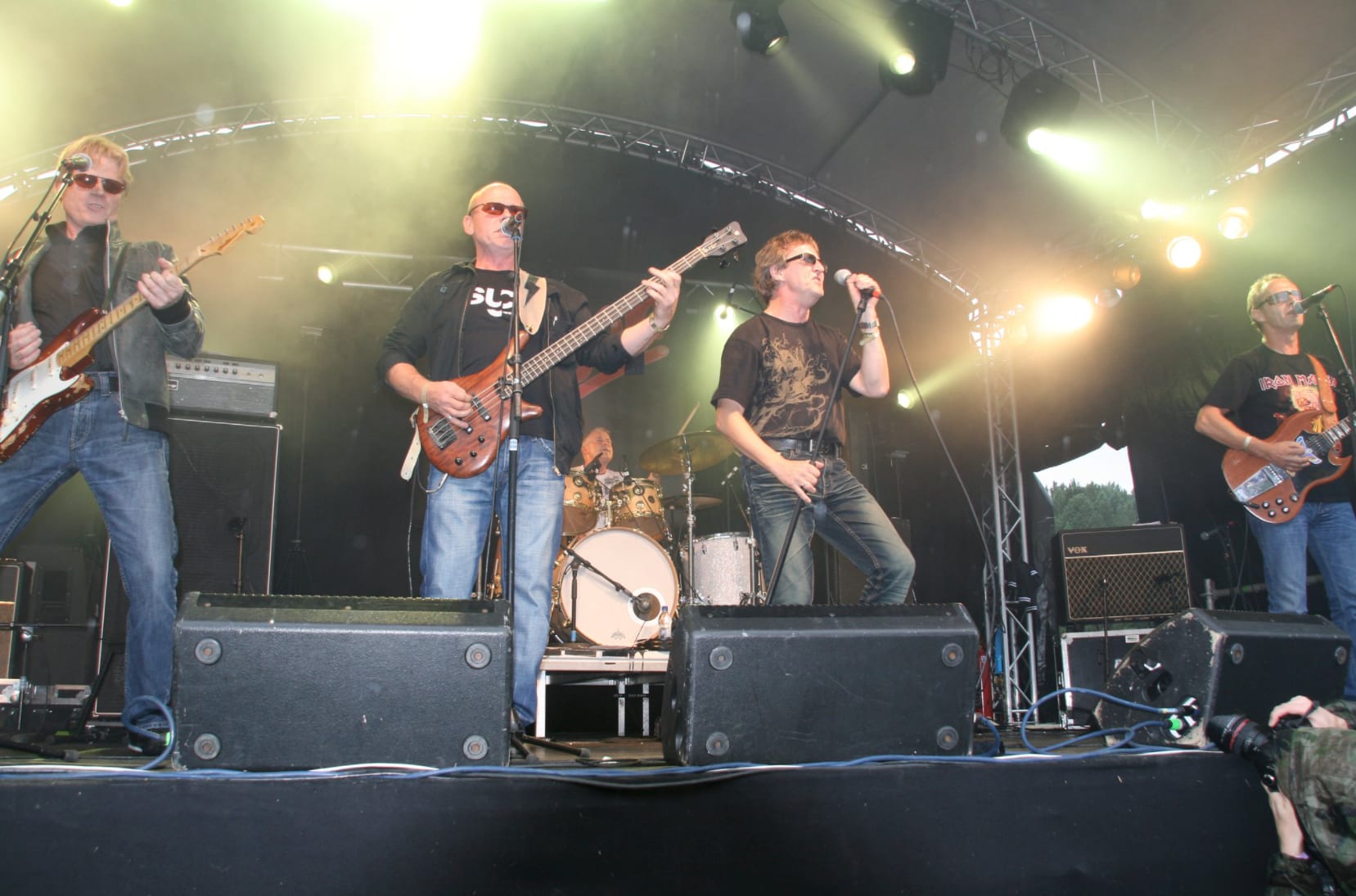
Allison’s story has seen renewed interest in recent years. In 2025, a local podcast («Sveip») featured Rolf Erik Veland telling the “incredible story” of Allison’s rise and the 1980 rock contest scandal. Former members of the band have also reunited on occasion. Reunion concerts have been held for special events – for example, in 2009 (roughly 25 years after breaking up) Allison played a reunion show at the Lost Weekend festival near Bergen, performing classics like “Sick and Tired” to an enthusiastic crowd. They also staged sold-out reunion gigs at local venues (such as Bergen’s Madam Felle club) around 2009–2010, celebrating the band’s legacy with old and new fans. These occasional reunions prove the enduring popularity of Allison’s music and the fond nostalgia for the era of rock they represent. As of today, Allison is remembered as a pioneering Norwegian rock band that successfully bridged 1970s rock and new wave – a group of island rockers who achieved national fame, left their mark on the charts, and continue to be celebrated in Norway’s rock history